Our animations present human anatomy and physiology through cinematic 3D storytelling. We visualize everything from organ structures to cellular signaling to help you educate, communicate, and engage your audience.
Led by experts. Perfected by artists.
350+
Projects delivered
30+
In-house 3D artists
20+
Medical experts
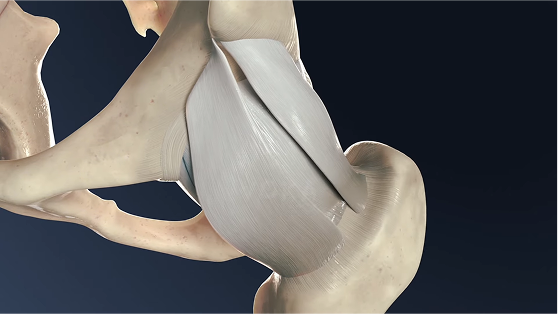
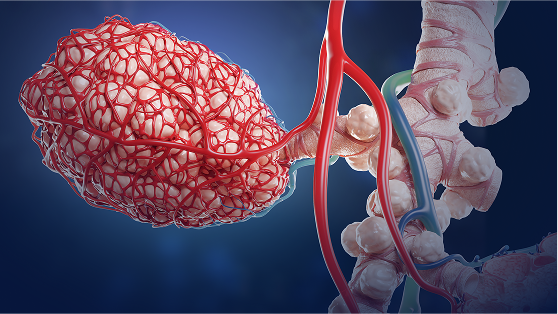
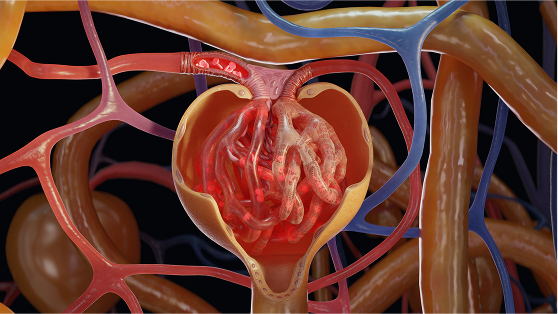

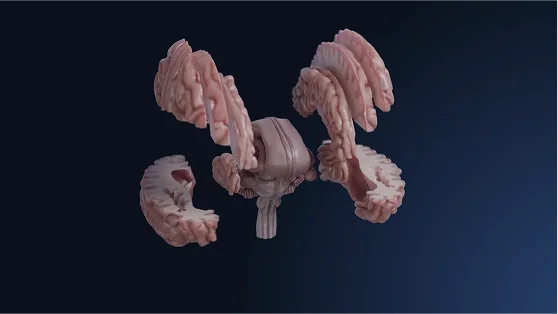
VOKA’s collection of human body animations
Trusted by






Every 3D animation of anatomy and human physiology is reviewed by our in-house medical team and tailored to your audience – from educational settings to investor pitches.

Cardiovascular, respiratory, nervous, digestive, endocrine systems, organ structures, and spatial relationships.

Cell function, signaling pathways, receptor activity, intracellular processes, metabolic mechanisms.

Heart function, joint movement, muscle contraction, breathing mechanics, and other whole-body functional processes.

Reproductive system function, fertilization, embryonic development, organ formation, and key stages of human growth.

Anatomical changes over time, behavioral development, environmental adaptation, long-term biological and cognitive evolution.
VOKA combines medical expertise and efficient production to deliver experiences for real-world communication needs.

In-house medical expertise
With 20+ clinicians and consultants on our team, we work fluently across medical, biotech, and pharma contexts.

Streamlined content delivery
Our library of 1,000+ ready-made models allows us to speed up delivery without compromising quality.
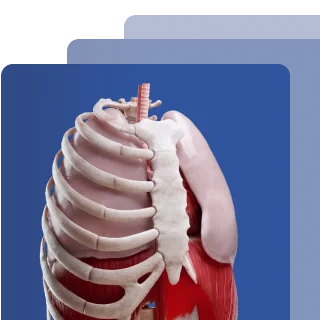

Regulatory-aware production
We create in line with clinical and regulatory standards in medtech and pharma environments.

Omni-channel adaptability
Our 3D assets can be adapted across many touchpoints: education, marketing, sales, and event communication.
Recognized for excellence in healthcare animation




Calculate the approximate cost
of your project right now
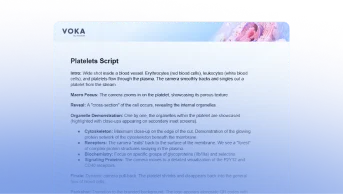
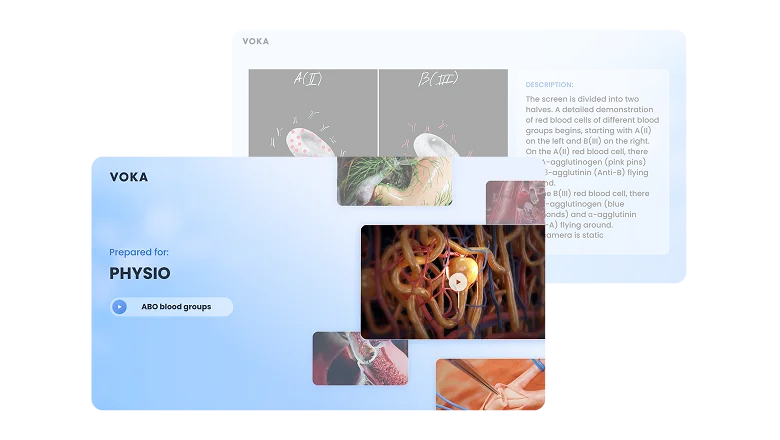

Use anatomy and animated physiology videos to train staff, support diagnostic explanations, and improve patient education by revealing what’s happening beneath the surface.
Support clinical trials communication, HCP presentations, and patient materials by demonstrating how treatments interact with the body’s systems.

Show how your device functions within the human body using physiology-based 3D animations for product presentations, regulatory materials, and clinical education.

Transform complex biological processes into visual narratives. Human anatomy animations improve understanding in medical, nursing, and allied health education programs.

Support publications, grant proposals, and science outreach by making abstract biological mechanisms easier to grasp through 3D videos of the human body.
Explain how products affect the human body with engaging physiology animations that build trust and improve consumer understanding.
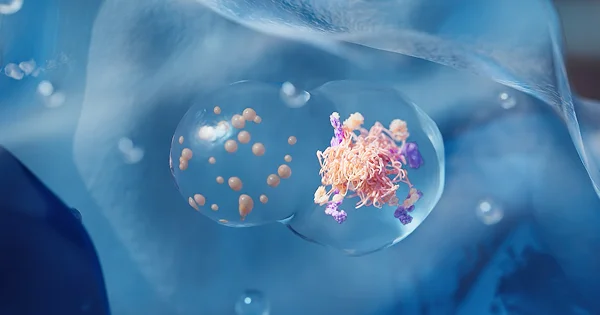
Visualize how your drug works at the molecular level with scientifically accurate storytelling.
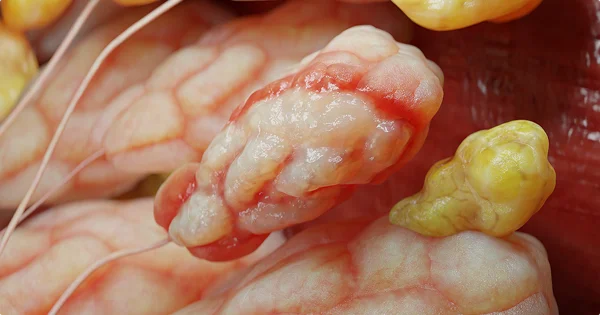
Break down the progression of disease into engaging visual stories that educate.
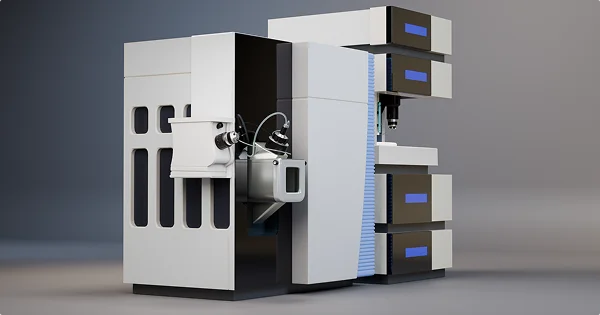
Present your innovative medical product in action, focusing on its clinical benefits.
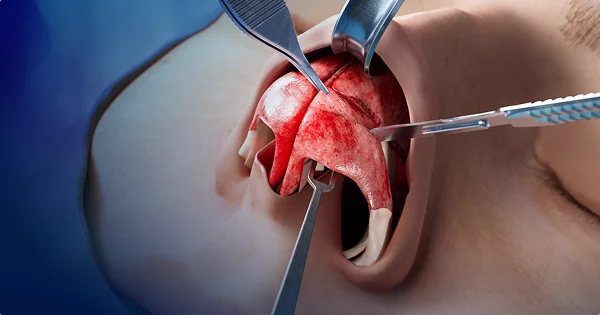
Showcase surgical techniques and procedures with clarity and anatomical accuracy.
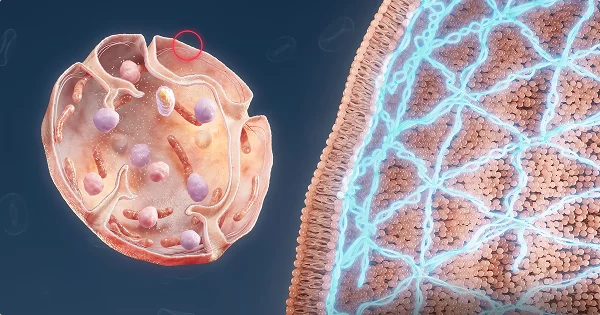
Clarify anatomy, procedures, treatments, and other medical topics with step-by-step 3D videos.
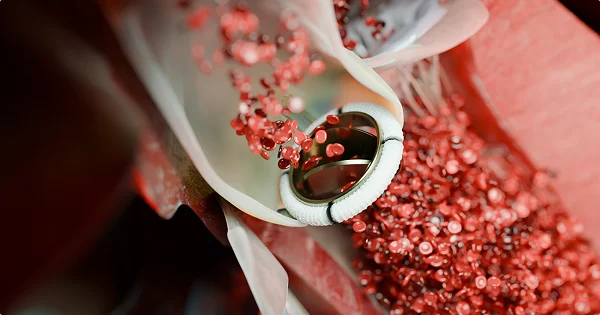
Demonstrate how devices function and interact with the human body in a dynamic way.
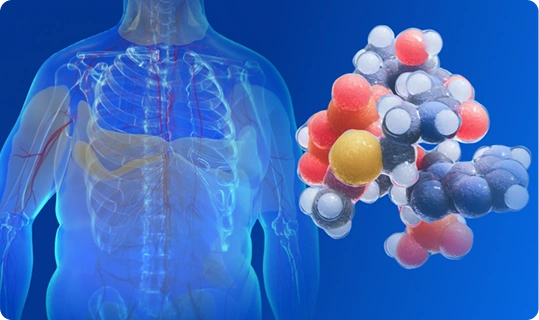
With 3D medical animation, agencies can boost campaign performance by making complex medical content engaging and visually compelling across digital and event channels.

Book a call or fill out the form and we’ll get back to you once we’ve processed your request.
You can contact us using:
FAQ
What is human physiology animation?
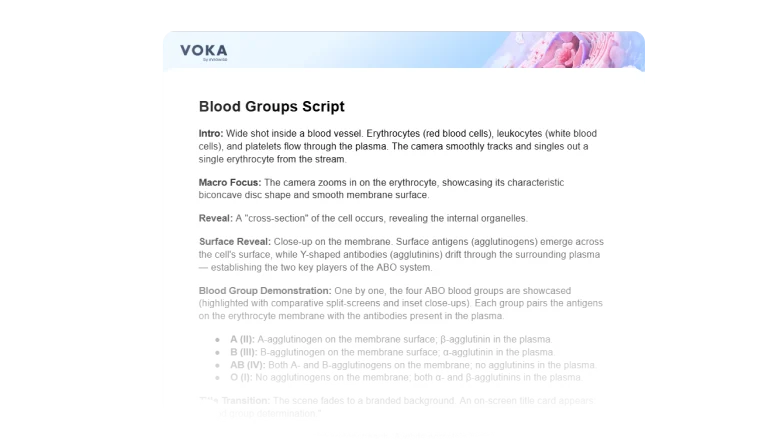
Physiology animation is a visual tool that illustrates how the body’s systems function, using scientifically accurate, dynamic 3D visuals.
How can physiology animation be used?
Physiology animations are widely used in medical education, patient communication, public health awareness, e-learning platforms, pharmaceutical content, and healthcare marketing to help people understand complex biological processes.
How to make the most of your physiology animation?
To get the best results, tailor the animation to your specific audience and focus on storytelling that connects visuals with clear narration. Distribute your physiology animation across the right channels for maximum impact: from classroom presentations, training modules, and e-learning platforms to social media, patient portals, or conference screens.
How long does it take to develop physiology animation videos?
Depending on complexity, style, and length, a typical animated physiology project can take 3 to 8 weeks. This includes scripting, storyboarding, 3D modeling, animation, and final delivery.
What determines the price of human physiology animation?
Pricing is influenced by several factors: animation length, visual complexity, level of scientific detail, voiceover or narration needs, and whether the content is fully custom or adapted from existing assets.
Did not find an answer to your question?
You can write to us by email and our manager will answer all your questions: