We make embryonic development easier to see and understand with custom 3D animation. Use medically accurate videos to break down complex embryology for educational, research, and healthcare communication purposes.
Led by experts. Perfected by artists.
350+
Projects delivered
30+
In-house 3D artists
20+
Medical experts
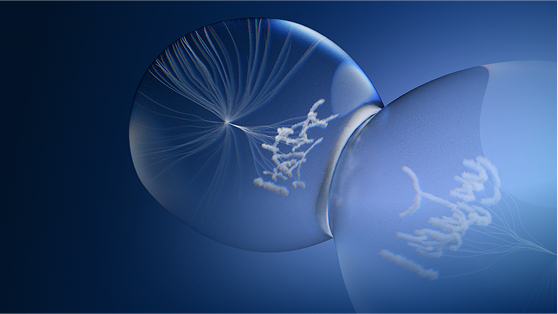

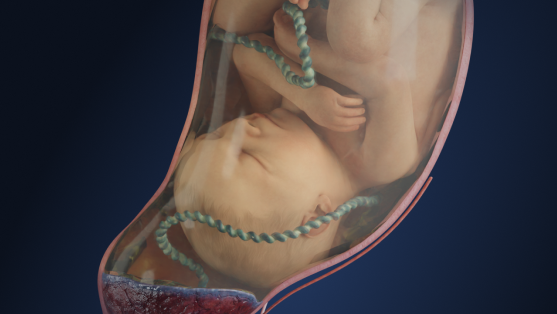
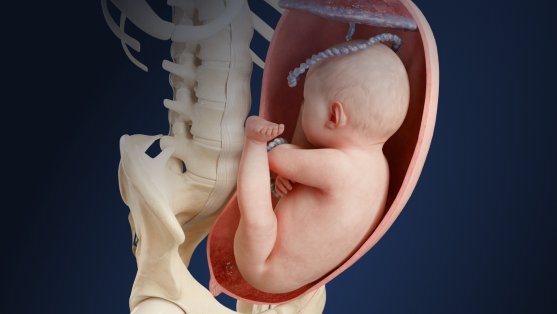

VOKA’s collection of embryology videos
Trusted by











We visualize the key stages of human embryonic development, from fertilization and implantation to organogenesis and congenital anomalies.

Fertilization, cleavage, morula and blastocyst formation, implantation, trophoblast invasion, and early maternal-embryonic interactions.

Amnion, chorion, yolk sac, allantois, early placental development, maternal–embryonic interface.

Carnegie stages, bilaminar and trilaminar embryonic discs, primitive streak formation, neural tube closure, somite formation, cephalocaudal and lateral embryonic folding.

Cardiac looping and septation, neural tube development, craniofacial structures, gastrointestinal and urinary systems, endocrine and sensory organs.

Developmental origins of congenital anomalies, abnormal morphogenesis, neural tube defects, cardiac septation defects, and craniofacial malformations.
VOKA combines medical expertise and efficient production to deliver experiences for real-world communication needs.

In-house medical expertise
With 20+ clinicians and consultants on our team, we work fluently across medical, biotech, and pharma contexts.

Streamlined content delivery
Our library of 1,000+ ready-made models allows us to speed up delivery without compromising quality.

Regulatory-aware production
We create in line with clinical and regulatory standards in medtech and pharma environments.

Omni-channel adaptability
Our 3D assets can be adapted across many touchpoints: education, marketing, sales, and event communication.
Recognized for excellence in healthcare animation





Calculate the approximate cost
of your project right now
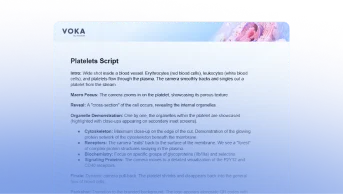
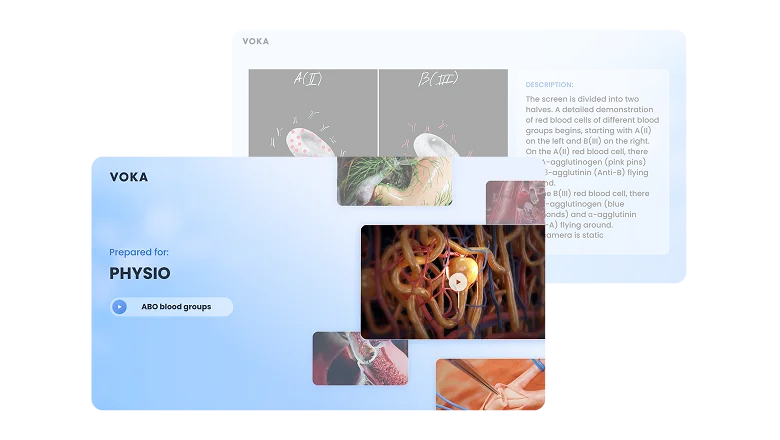

Teach embryonic development with clear 3D visuals that help students understand complex stages, anatomy, and organ formation beyond textbook diagrams.

Create engaging embryology lessons with interactive 3D content that makes complex developmental processes easier to follow and remember.

Present developmental research with accurate 3D animations that illustrate embryonic processes, experimental findings, and complex biological mechanisms.

Enhance textbooks, articles, and digital publications with detailed embryology videos that clarify embryonic development and complex anatomical relationships.

Explain developmental biology, therapeutic research, and embryology-related science with accurate 3D visuals for scientific and corporate communication.

Use 3D embryology animations to help patients understand fertilization, implantation, and the early stages of embryonic development.

Cardiology

Dermatology

Obstetrics

Angiology

Dentistry

Otorhinolaryngology

Gynecology

Urology

Veterinary

Ophthalmology

Gastroenterology

Embryology

Endocrinology

Microanatomy

Oncology

Traumatology

Book a call or fill out the form and we’ll get back to you once we’ve processed your request.
You can contact us using:
FAQ
What is a 3D embryology animation?
A 3D embryology animation is a scientifically grounded visualization of embryonic development over time. It shows how structures change in shape, position, and spatial relationships as development progresses, making complex processes easier to understand.
Which stages of embryonic development can you animate?
Our embryology animation videos can cover the key stages from fertilization and cleavage through blastocyst formation, implantation, gastrulation, neurulation, embryonic folding, and organogenesis. Fetal growth and week-by-week pregnancy development belong to obstetrics rather than embryology.
Can you create organ-specific embryology animations?
Yes. We can build custom human embryology animations around specific developmental pathways, including cardiac, craniofacial, gastrointestinal, urinary, endocrine, and ocular development. The terminology, level of detail, and visual approach can be adjusted to suit students, clinicians, researchers, or a broader audience.
Can you visualize congenital anomalies and how they develop?
Yes. An embryology animation can compare normal development with altered morphogenesis and show when and how a structural abnormality develops. These videos are created for education and scientific communication, not for diagnosing an individual patient.
How do you ensure scientific accuracy in embryology animation?
We base each project on reliable scientific sources and involve our in-house medical experts from the start. They help shape the research, script, and storyboard, check developmental stages and spatial relationships, and review the animation throughout production.
Can one embryology animation be adapted for different audiences?
Absolutely. The same embryology animation can be adapted through its narration, labels, pacing, and level of visual detail for medical students, clinicians, researchers, or public-facing education. A larger project can also be built as a modular series around a shared 3D scene.
Did not find an answer to your question?
You can write to us by email and our manager will answer all your questions: